Time to bring change to RTD

Boulder County has some of the highest rates of transit ridership in the metro area. But for years, RTD has accepted the status-quo and failed to change to meet this demand. From overcrowded airport buses that force riders to wait an hour for the next departure, to two decades of unfulfilled promises of FasTracks rail service Boulder County taxpayers have paid over $600M for, it's clear it's time to bring change to RTD and start delivering quality public transit for our community.

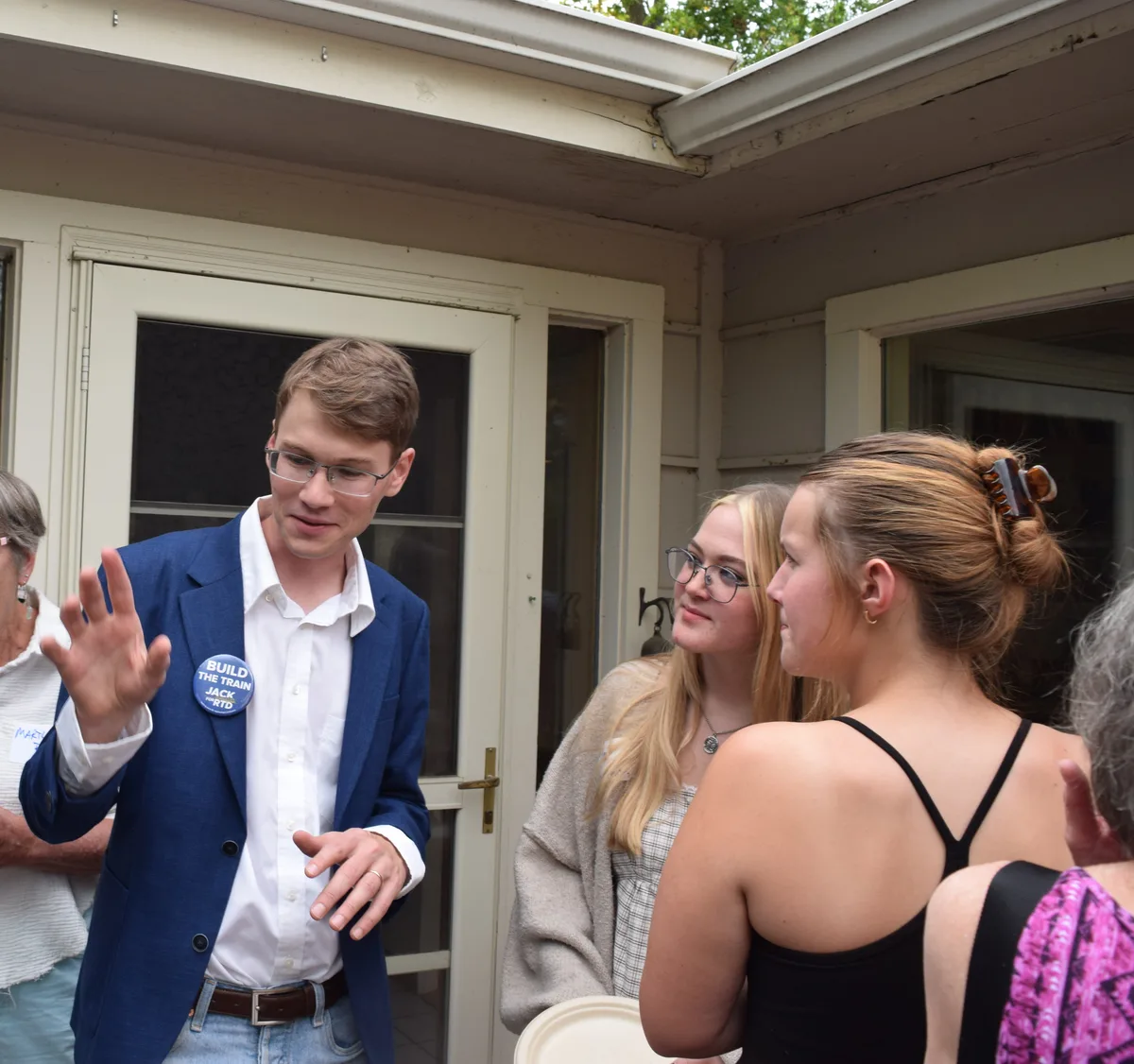
Jack Rosenthal talking with supporters at a campaign fundraiser

Deliver on RTD's promises

Completing FasTracks
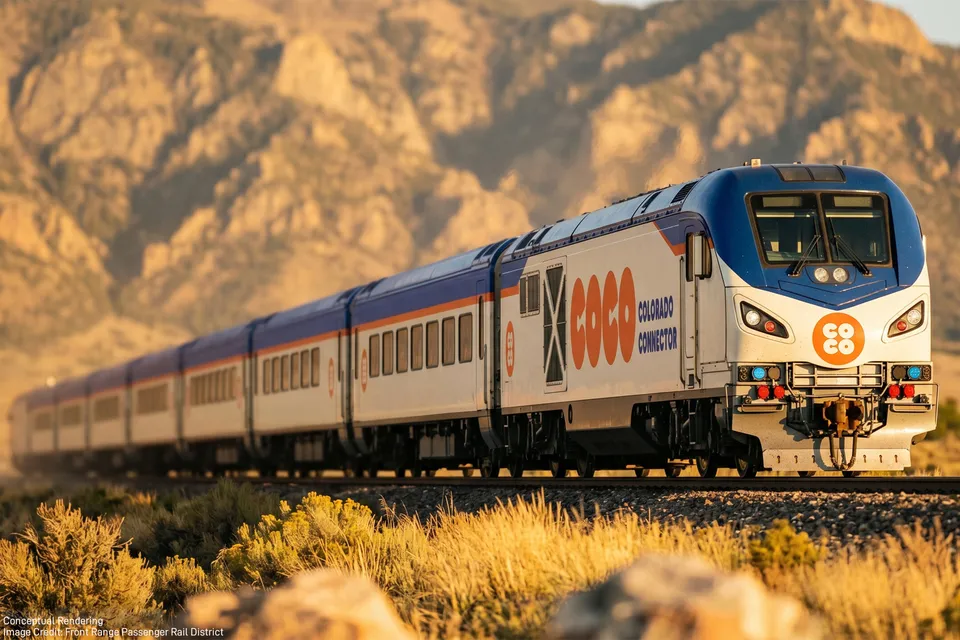
Rendering of the CoCo passenger train

In 2004, Boulder County voters approved FasTracks with the promise of rail service to Boulder and Longmont via Northwest Rail. Twenty years and over $600 million in local tax dollars later, we're still waiting. I am running because Boulder County deserves change from the stagnant, status-quo board that has been breaking their promises to tax payers for decades.

Here's the good news: after years of public pressure, CoCo is finally coming to Boulder. RTD is helping fund CoCo's starter service and operations, set to start running by 2029 with three daily round trips between Denver and Fort Collins, stopping in Boulder, Longmont, Louisville, Broomfield, and Westminster. Whether or not Issue 7A passes, I'll make sure our FasTracks dollars go toward running the rail we were promised in 2004.

CoCo isn't the only rail project moving. Once CoCo is running, RTD's next job is finishing the N Line into Adams County, extending service from Commerce City, Northglenn, and Thornton all the way to State Highway 7, a major piece of the rail network voters approved back in 2004.

On the board I will hold the RTD staff accountable and make sure these rail projects are finished, no more promises are broken, and the will of the voters is respected.

If 7A passes

  1. 2029

    3 daily round trips

  2. 2032

    4 daily round trips, extended to Pueblo

  3. 2045

    10 daily round trips

Starter service

RTD helps fund with FasTracks

By 2029: 3 daily round trips between Denver and Fort Collins, including the Denver to Longmont rail FasTracks promised in 2004.

Issue 7A

New 0.333% sales tax

Expanded service: extends south to Pueblo with 4 daily round trips by 2032, growing to 10 by 2045, paying for both the infrastructure and the operating costs.

What I'll do

  • Fight to make sure our FasTracks dollars pay for the portion of the service we were promised in 2004.

If 7A fails

  1. 2029

    3 daily round trips

  2. 2032

    4 daily round trips, extended to Pueblo

  3. 2045

    10 daily round trips

Starter service

RTD helps fund with FasTracks

By 2029: 3 daily round trips between Denver and Fort Collins, including the Denver to Longmont rail FasTracks promised in 2004.

Issue 7A

Unfunded

No extension to Pueblo and no expanded schedule.

What I'll do

  • Fight to build out the starter service by 2029 anyway. The money is already in place through FasTracks.
  • Make sure FasTracks keeps paying for the portion of the service we receive.

I endorse Issue 7A.

Three round trips a day is a start, but 10 trips and a line reaching all the way to Pueblo make CoCo far more usable. 7A pays for that expansion on top of what FasTracks already owes us. If it fails, I'll do the best we can with the FasTracks funding we have.
Fiscal Responsibility

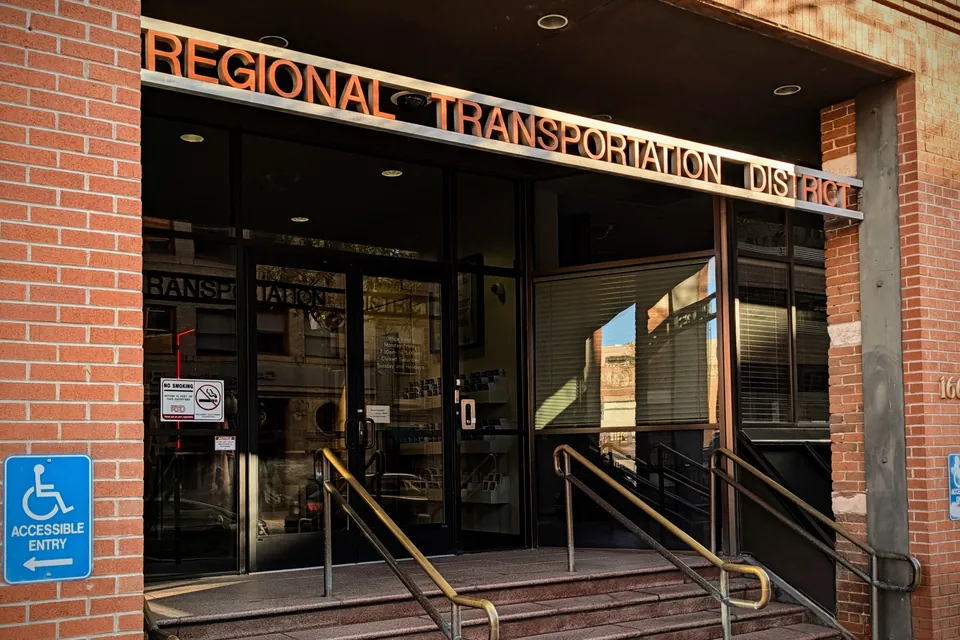
The Regional Transportation District sign above an RTD building entrance

For decades, RTD has wasted taxpayer dollars, and it's time for that to change. Last year, RTD proposed spending over half a billion dollars on dirty diesel buses instead of investing them into a cost effective, clean, electric fleet. I've watched them break their promise to Boulder County voters for decades on FasTracks and Northwest Rail, collecting taxes for a service they never delivered.

RTD will likely have to ask voters for more money to avoid service cuts. But voters won't trust RTD to spend that money wisely until there's real change first.

I'm a taxpayer, a voter, and a daily rider, and I know what it feels like when RTD has failed to deliver on its promises. I'll ensure RTD is fiscally responsible with the sales tax we pay: applying for the federal grants other transit agencies already win, auditing big purchases like new diesel buses before cutting anyone's service, and delivering the rail our FasTracks dollars were collected for.

Run excellent service

Growing Ridership

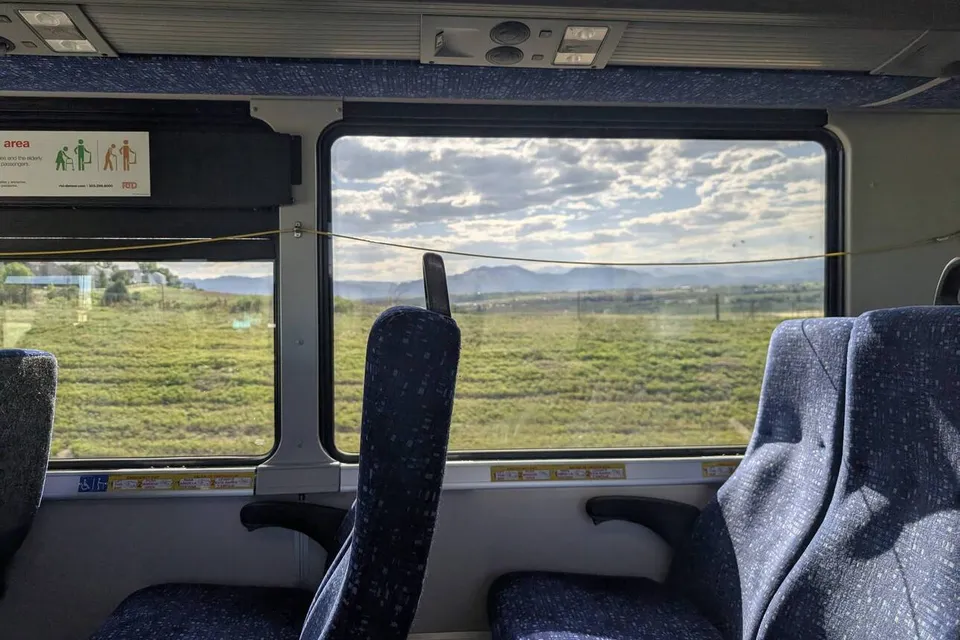
Empty seats on an RTD train

RTD systemwide has struggled to recover from the pandemic because they have been allergic to change. Before 2020, RTD served 105 million annual boardings; today it's around 65 million. At the current pace of recovery, it would take 731 years to get back to where we were.

Part of the problem is that RTD has not redesigned their bus networks since 1978. Commuting patterns have evolved a lot in that near-half-century, especially since the pandemic: fewer people commute downtown to Denver every day, and more people are making suburb-to-suburb trips that a network built around a single downtown hub doesn't serve well. RTD is running a Comprehensive Operations Analysis now, and the incoming board will vote on the resulting network redesign in 2027, with the new network launching in 2028.

On the board, I will make sure that redesign is a real rethink of how the system connects people in a post-pandemic world.

Frequency, Speed, and Reliability

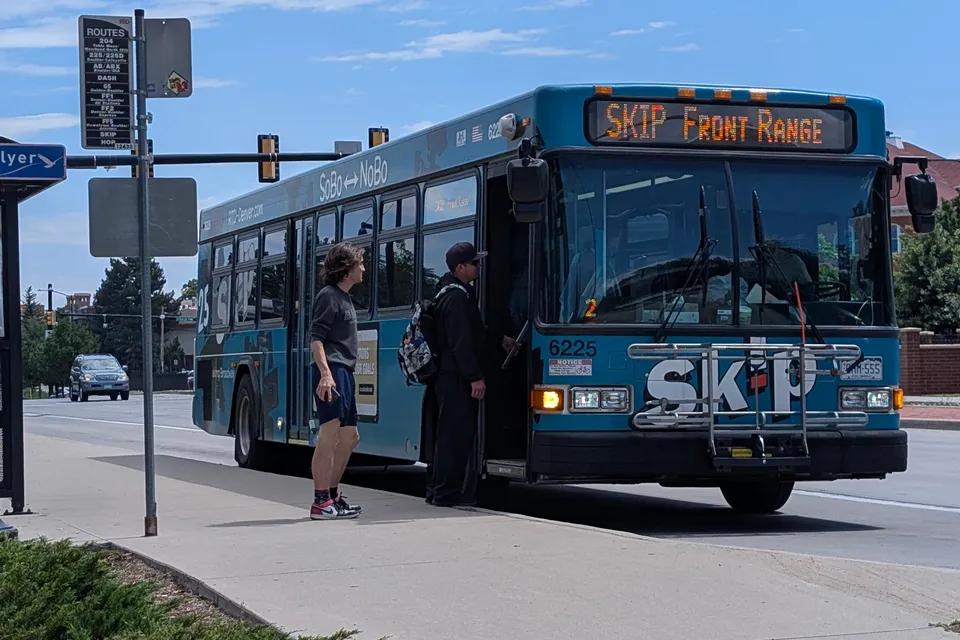
The SKIP bus at a stop on Boulder's Broadway corridor

Transit needs to get people where they're going in a reasonable amount of time, or people won't ride it. RTD's real-time tracking often can't even tell riders when the bus is actually coming, let alone get them there faster.

Right now, instead of investing in that goal, RTD is exploring service cuts of up to 36%. This will decrease ridership and cause a transit death spiral that RTD may not be able to recover from.

As a software engineer, I will challenge that status-quo and bring new perspectives and ideas about how to modernize the system so our transit is frequent, fast, and reliable. Transit Signal Priority is one of the cheapest ways to do that: it lets buses hold traffic lights green as they approach, cutting trip times and the service hours needed to run each route, especially when installed alongside intersection work municipalities are already doing.

On the board I will push to combine these new technical solutions with service frequency increases on the highest-ridership routes, like the Airport Bus, to make it so people actually want to ride our transit instead of cutting service in the name of “right-sizing.”

Expanding Airport Service

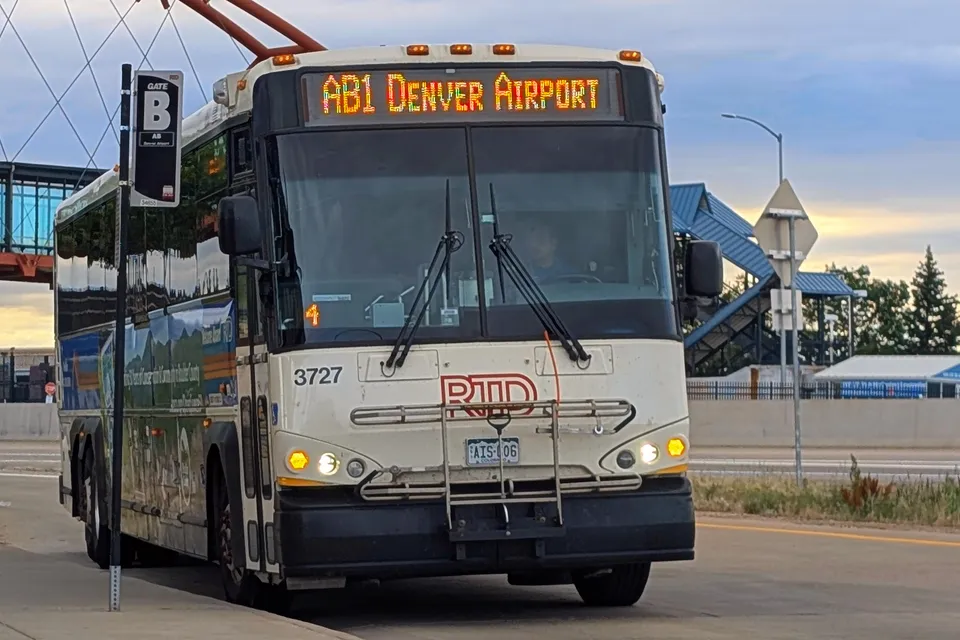
The AB1 bus to Denver International Airport

On the bus and talking to our neighbors, one of the most common complaints I hear is how SkyRide regularly shows up already full, leaving riders to seek alternative transportation to the airport, or wait a full hour for the next bus and risk missing their flight. For a route serving one of the busiest airports in the country, that's a policy failure, not an occasional inconvenience.

Frequency is reliability: more frequent buses mean shorter waits, a more flexible travel schedule, and enough capacity for everyone who shows up. That same thinking needs to apply across airport service as ridership grows.

Airport service also can't just mean Boulder and Denver. I advocated for Route AL, RTD's new direct bus connecting Longmont, Niwot, and Lafayette to the airport without a transfer, so more of the community has a direct way to get there, not just the riders closest to the existing routes. I will continue that advocacy on the RTD Board.

High Volume Events

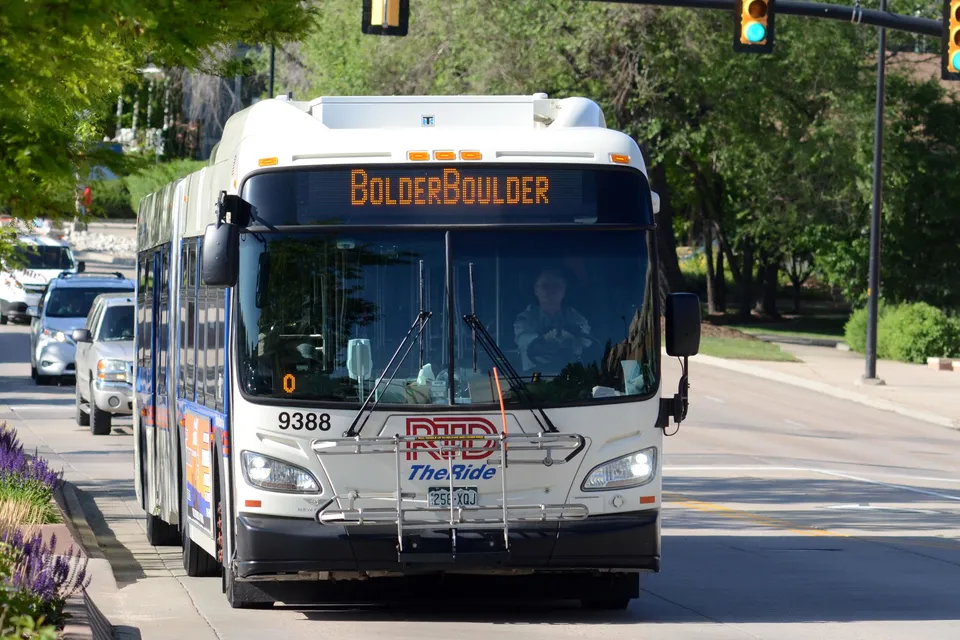
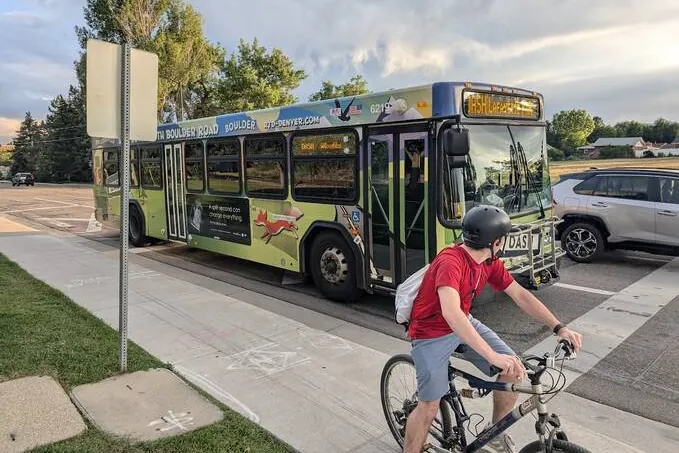
An RTD bus signed for the Bolder Boulder race

Nothing highlights RTD's service gaps more than Memorial Day weekend in Boulder County. The Boulder Creek Festival and the Bolder Boulder bring hundreds of thousands of visitors to town, making it the busiest weekend of the year. Yet, instead of scaling to meet this demand, RTD instead runs a reduced holiday schedule right when it's needed most. RunRide, a dedicated bus route for race day, was cancelled years ago by RTD, despite its popularity, and has never returned. The same gap shows up after a Rockies game lets out in Denver, when riders can face a long wait in line to board the Flatiron Flyer back to Boulder.

As a member of the board, I will fight for RTD to finally listen to its riders and bring back dedicated event services like the BroncosRide, RockiesRide, and RunRide: routes that take riders straight to the event and back home when it's over.

Looking ahead, Boulder County has a unique opportunity with the Sundance Film Festival arriving in 2027. I will also push RTD to rebuild trust with the community by bringing dedicated event service for Sundance. This will show how transit can support the county's major events instead of struggling to keep up with them.

Modernize RTD

Electrifying RTD's Bus Fleet

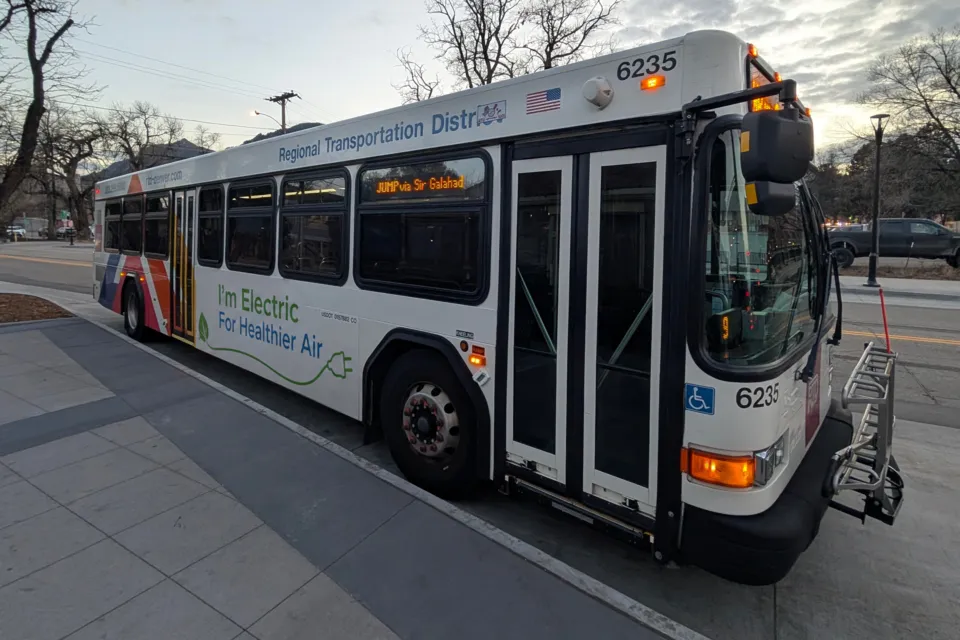
A HOP bus branded '100% Electric'

Battery-electric buses cost more upfront, but they pay for themselves in about seven years through lower fuel and maintenance costs. The hard part is charging infrastructure: garages need chargers for hundreds of buses to power up overnight, and high-use routes need fast-charging stations at their terminals so buses can top up during layovers. That takes years of planning, not something installed overnight.

RTD had the chance to build that infrastructure with federal grants covering 80% of new bus purchases and 90% of facility upgrades. Nearly every other transit agency in the country applied for those grants. RTD didn't. They were too stuck in their old ways. Now, RTD is proposing spending over half a billion dollars, entirely out of pocket, on new “clean diesel” buses, even though diesel isn't clean energy and even though they are facing significant budget shortfalls.

On the board I will make sure RTD has a real fleet electrification plan in place before 2028, one it can actually show voters it will deliver, not another missed opportunity.

Modernizing Technology

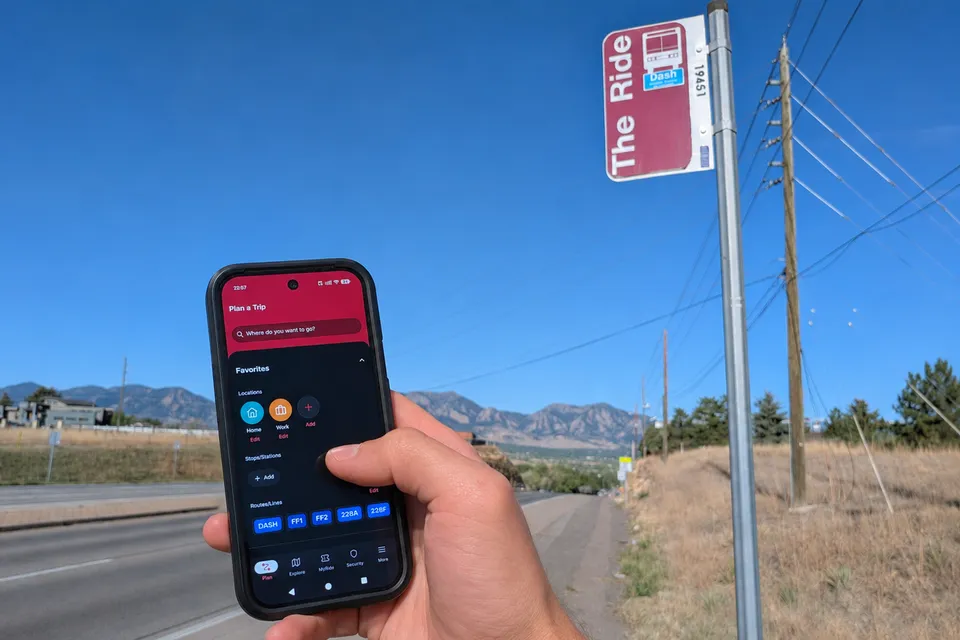
A trip-planning app open on a phone at an RTD bus stop

RTD's technology is stuck in the past. Real-time bus and train tracking goes down regularly, riders are split across seven different, barely functioning apps just to plan a trip and pay a fare, and a server crash recently knocked the N Line out of service entirely.

I would bring change to RTD as the only technologist on the board: six years as a software engineer at Google and a Master's in Computer Science. As a daily rider, I have already been tracking RTD's real-time performance data myself because the agency's own tools are too ancient to tell the whole story.

RTD needs to consolidate its fragmented apps into one reliable experience, replace the legacy systems behind real-time tracking with modern, monitored infrastructure, and treat outages like the N Line crash as the systemic failures they are, not one-off incidents.

Transit for Everyone

Disability Services (AAR, AoD)

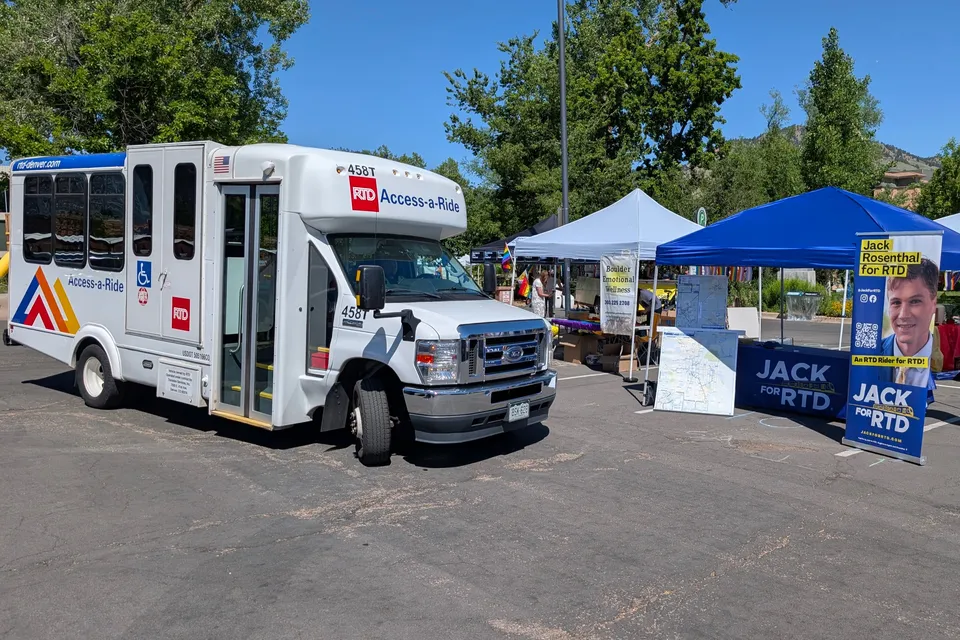
An RTD Access-a-Ride paratransit van

RTD's paratransit services, Access-a-Ride (AAR) door-to-door vans and Access-on-Demand (AoD) same-day rideshare and taxi trips, are a lifeline for riders with disabilities who can't use fixed-route service. Demand has grown fast: active AoD riders rose from about 2,200 in late 2023 to nearly 3,400 by mid-2025.

Instead of matching that growth with investment, RTD cut its per-trip AoD subsidy from $25 to $20 and added a new $4.50 base fare starting in 2026, changes disability advocates sued over. The board shouldn't be balancing budgets on the backs of riders who have no other transit option.

RTD needs to fund paratransit growth like the essential service it is, and bring riders with disabilities to the table before, not after, cost-cutting decisions are made.

Making Transit Easy-to-Use

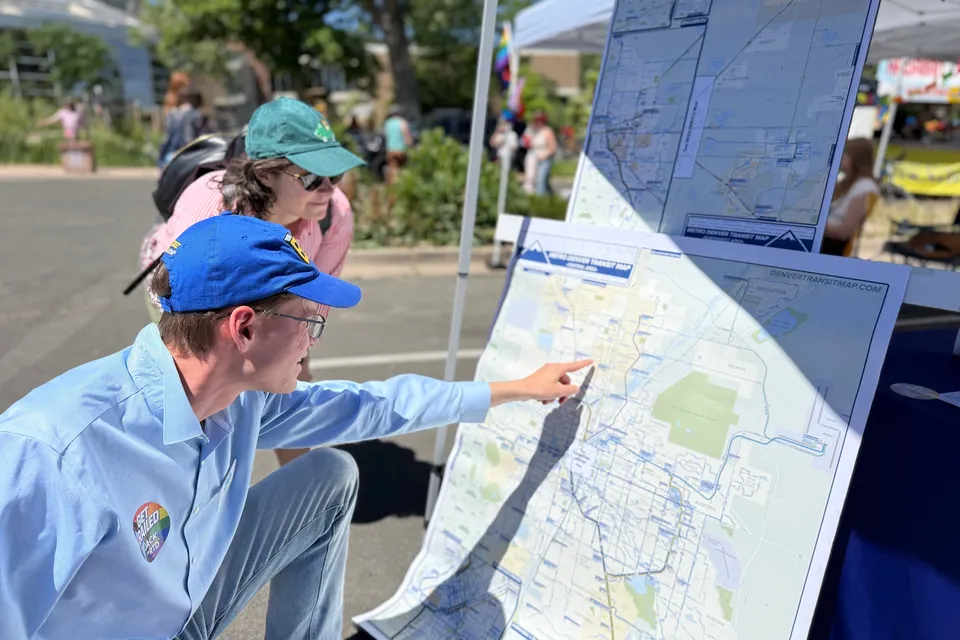
Jack and volunteers pointing at a transit system map

I worked with other Boulder County leaders, like State Rep. Junie Joseph, to help create and pass the Transit Access Bill, now Colorado law, which will require RTD and other transit agencies statewide to post clear system maps at major stops and stations and expand language access for riders.

That's a floor, not a ceiling. RTD needs to go further with real digital wayfinding, live arrival display boards at stations that say when your bus or train is coming, not just printed maps, so riders always have clear and reliable information.

On the board I will hold RTD accountable for implementing the Transit Access Bill in full, and keep pushing to make the system easier for every rider to navigate and understand.

Safety

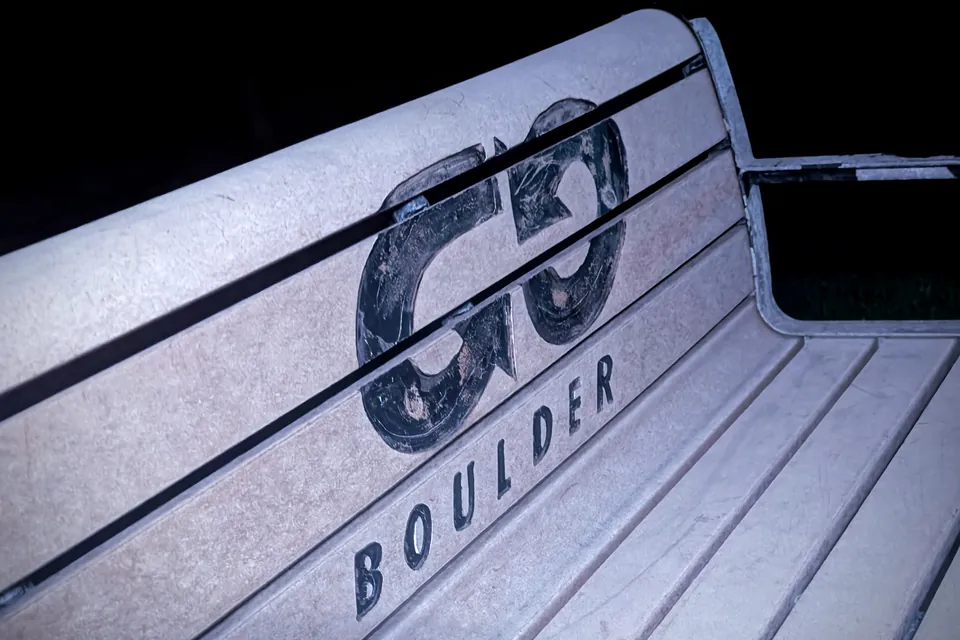
A GO Boulder bench at night

Safety concerns are unfortunately one of the biggest barriers to transit. RTD needs to address these safety concerns head on and create a culture change, one that normalizes safe, clean and reliable transit as the standard, not the exception.

That starts with simple changes. Riders should be able to text RTD Police directly from their cell phone, so they can report a problem quietly and discreetly.

Safety also means frequency. Nobody should be stranded at a dark, empty stop for an hour because a transfer didn't line up or a bus was late. When service is infrequent, riders are left waiting alone. I will make sure that these concerns are addressed and riders do not have to make the choice of avoiding public transit because they feel unsafe.

Bike and Pedestrian Access

A cyclist waiting beside an RTD bus at a stop

Transit doesn't start or end at a station, it starts the moment someone leaves their front door until they reach their final destination. That's why first and last mile connections matter so much, and why bike and pedestrian access has to be integrated in how RTD plans its system and not an afterthought.

I will bring my experience as a daily transit rider to the table with new ideas, like exploring bike racks on the rear of buses to increase capacity and actually secure bike lockers at stations instead of an exposed rack anyone can tamper with.

Getting to and from a stop safely matters just as much as the ride itself. I will push RTD to invest in real stop infrastructure, crosswalks, signals, and safe waiting areas so riders aren't risking their safety just to cross the street or wait for their bus or train.